Care That Makes Closets Last
Step into the Wardrobe Longevity Lab, a lively space where everyday habits transform garments from fleeting purchases into trusted companions. We’ll share science-backed care, practical routines, and joyful stories that prove durability can feel deeply personal. Expect experiments you can try at home, friendly challenges that spark reflection, and realistic guidance that respects time, budgets, and style. By the end, you’ll know how to help your clothes age gracefully, look better longer, and tell richer stories with every wear.

Foundations of Lasting Style

Longevity starts with intention. Before detergents or darning, we look at habits: pausing before purchases, choosing versatile cuts, and planning simple upkeep. A reader once said her eight-year jeans survived because she wore them thoughtfully and rested them often. That’s the spirit here: small choices that add up to years. Join in, set a gentle goal for this month, and share your plan so we can celebrate progress together.

From Impulse to Intention

Create a short checklist before any purchase: fit, fiber, repairability, and imagined outfits across multiple seasons. Try a 48-hour pause rule, and shop your closet by styling existing pieces first. This simple ritual reduces returns, elevates confidence, and nudges you toward garments you’ll care for and repair with pride.

The 30-Day Wear Log

Track what you actually wear for one month. Note comfort, laundering frequency, and small annoyances you could fix with a needle, button, or tailor. Patterns emerge fast, revealing reliable heroes and neglected items that need a tweak. Comment your top three most-worn pieces and one habit you’ll change to support them.
Fiber Clues Hidden in Every Thread

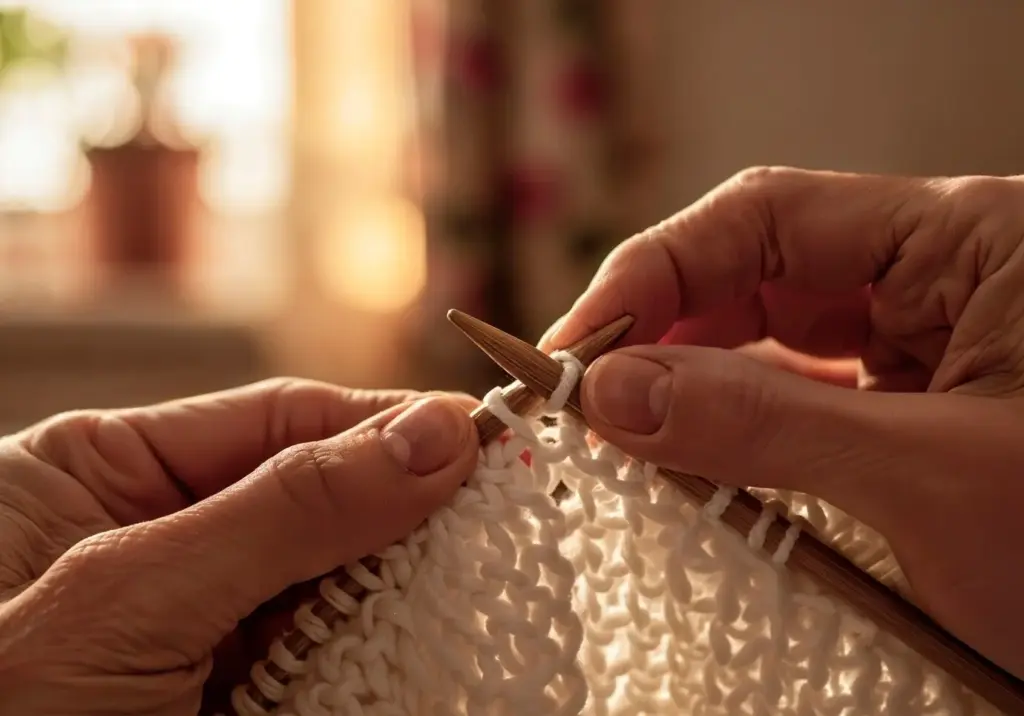
Understanding fiber families helps you choose care that truly works. Cellulose fibers like cotton and linen enjoy airflow and firm folds; protein fibers like wool and silk appreciate rest and low heat; synthetics benefit from cooler washes and thoughtful filtration. Labels only tell part of the story, so touch, observe, and learn how drape, elasticity, and pilling reveal real needs. Bring questions, and swap tips that rescued your most stubborn fabric.

Laundry That Loves Your Clothes

Gentle washing is quiet armor. Cool water reduces fiber stress, shorter cycles limit abrasion, and turning garments inside out protects color. Choose enzyme detergents sparingly, and rinse thoroughly. Air drying saves both shape and energy, while careful sun exposure can brighten whites but fade colors. A reader’s black tee survived two years longer simply by switching to delicate spin and a mesh bag. Share what laundry tweak changed everything for you.

Temperatures, Cycles, and the Quiet Power of Water

Cold or cool water preserves dyes and reduces shrink risk. A delicate or hand-wash cycle shortens contact, minimizing pilling. Pre-dissolve detergent for even distribution, and avoid overloading so fabrics move freely. If you hand-wash, press—don’t wring—then lay flat. Try this with one favorite garment this week and report your results below.

Drying Without Damage

Heat accelerates wear by weakening elastic and hardening stains. Air dry on wide racks, shape seams by hand, and dry knits flat to prevent stretching. If you must use a dryer, pick low heat and short bursts, removing items slightly damp to finish on a hanger. Notice how drape improves and creases relax naturally.

Catching Microfibers Before They Drift
Synthetic garments shed tiny fibers during washing. Capture them with a filter bag or an inline filter, then dispose of collected lint in the trash, not drains. Wash similar fabrics together to reduce friction, and choose shorter cycles. This small step protects waterways and extends fabric surface quality, keeping favorites smoother for longer.

Hangers That Hold Shape

Choose hanger shapes that echo shoulder lines. Wood or sturdy recycled options distribute weight better than thin wire. Add felt pads to prevent slippage, and reserve clip hangers for skirts with protective tissue. Test a jacket after a week on improved hangers and notice collar roll, drape, and lapel crispness. Little upgrades yield long-term structure.

Folding That Fights Stretch

Knits, denim, and heavy sweaters prefer folding. Use the file method to reduce creases and make everything visible. Place heavier items at the bottom of stacks, and add lavender sachets for freshness. Leave small gaps for airflow. After a month, compare shoulder seams and hemlines; you’ll likely see fewer waves, better recovery, and calmer mornings.

Seasonal Sleep, Safe and Fresh

Before storing off-season pieces, launder gently, shave pills, and mend loose threads. Use breathable cotton bags, cedar or rosemary sachets, and silica gel for humidity control. Label boxes with care notes, and include a photo to remember contents. When the season turns, items reappear ready to wear, not crumpled projects needing rescue.

Repair Rituals That Feel Like Craft

Repairs are stories stitched in. Visible mending celebrates wear with color, while discreet fixes preserve original lines. Learn a few versatile techniques—darning, ladder stitch, button shanks—and you’ll rescue favorites in minutes. One subscriber revived their grandfather’s sweater with careful darning and now wears it weekly. Share your repair victories, and ask questions; we’ll help you choose the right method.

A Tiny Toolkit, Big Confidence

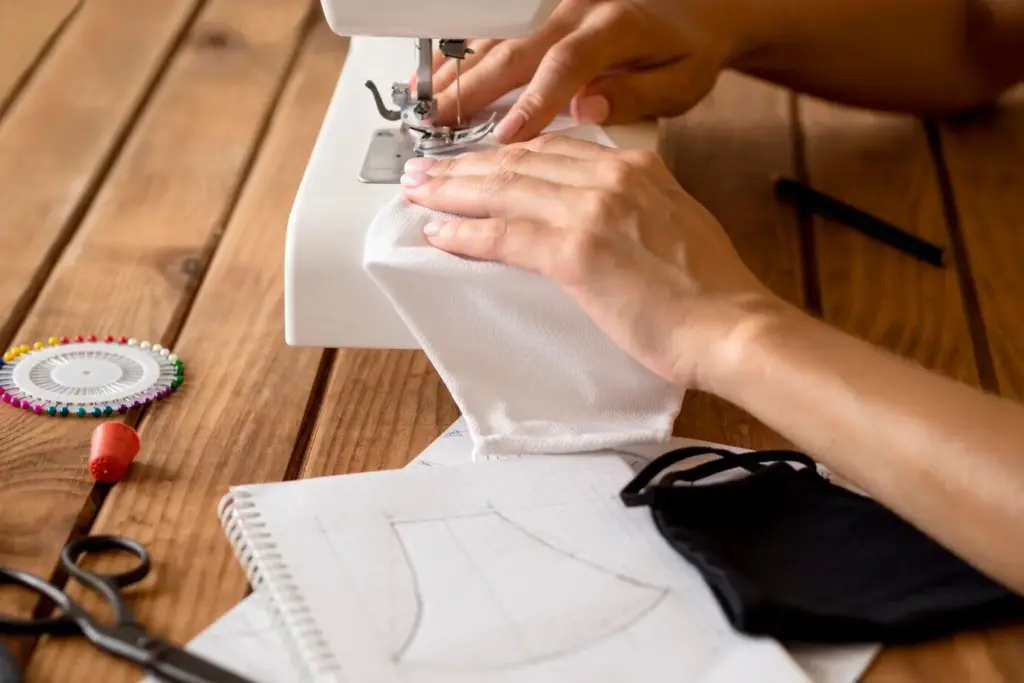
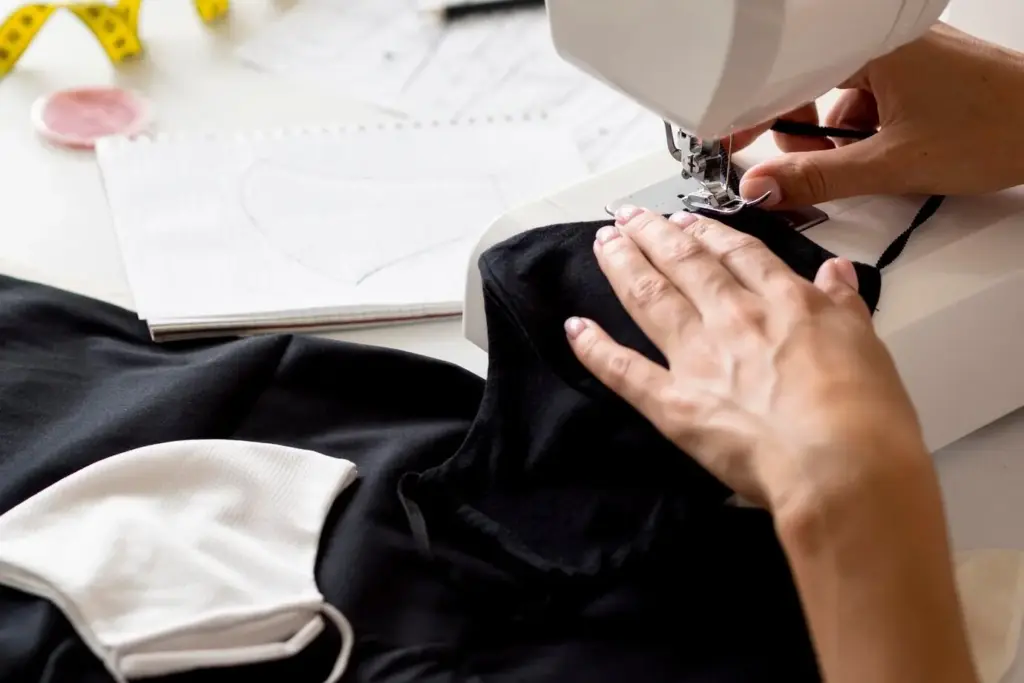
Gather sharp needles, contrasting and matching threads, a thimble, small scissors, a seam ripper, and fusible web for emergencies. Practice on scraps to build muscle memory. Start with buttons and loose hems, then graduate to patching. Set a twenty-minute weekly repair window, make tea, and enjoy the calm focus that follows.

Darning Denim and Knits With Pride

Reinforce stress zones before holes grow. For denim, weave strong thread across the worn area, mirroring the fabric’s grain. For knits, duplicate stitch follows existing loops invisibly. Try a bold sashiko pattern for character, or match yarn for stealth. Post a before-and-after photo to encourage someone debating their first mend tonight.

When to Call a Pro

Tailors excel at tricky zippers, complex alterations, and structural repairs; cobblers can resole boots and replace heel caps, doubling footwear life. Ask for reinforcement in high-friction areas during alterations. Bring clear photos and describe how you move. A skilled partner extends life, fit, and joy, often for less than a replacement would cost.

Rotation, Rest, and Outfit Systems

Even the strongest fabrics need downtime. Alternate shoes to let insoles dry, rotate outerwear to prevent elbow wear, and use undershirts to reduce deodorant buildup. Plan weekly capsules so each piece rests between appearances. A small tracker on your closet door keeps it simple. Report your rotation win this week; we’ll share favorite schedules from readers next time.

Capsules That Actually Breathe

Build micro-capsules around climate and routine: two bottoms, three tops, one layer, and one wildcard. Arrange them eye-level for easy grabs. After two days, swap in fresh pieces and rest the others. This rhythm reduces friction, evens wear, and sparks creativity. Comment your capsule formula and any surprising combinations you discovered.

Shoes Need Days Off, Too

Leather and foam recover with rest. Alternate pairs daily, use cedar inserts, and brush dust off uppers after each wear. Spot-treat salt lines promptly and condition seasonally. Replace heel tips before they skew posture. Track comfort scores for a week and notice how rotation reduces aches and extends the sleek shape you love.

Share, Swap, and Celebrate Longevity

Host a Thoughtful Exchange Night

Set guidelines: clean items, small repairs welcomed, and clear sizes. Provide sewing notions for quick fixes and a steamer station for refreshes. Arrange by category and color to spark styling ideas. End with a care share circle where everyone trades tips. Leftovers can head to a local repair-friendly charity afterward.

Resale Listings That Earn Trust

Set guidelines: clean items, small repairs welcomed, and clear sizes. Provide sewing notions for quick fixes and a steamer station for refreshes. Arrange by category and color to spark styling ideas. End with a care share circle where everyone trades tips. Leftovers can head to a local repair-friendly charity afterward.

A Care Log Your Clothes Will Thank You For

Set guidelines: clean items, small repairs welcomed, and clear sizes. Provide sewing notions for quick fixes and a steamer station for refreshes. Arrange by category and color to spark styling ideas. End with a care share circle where everyone trades tips. Leftovers can head to a local repair-friendly charity afterward.

Pepefuvulamimezi
Privacy Overview

This website uses cookies so that we can provide you with the best user experience possible. Cookie information is stored in your browser and performs functions such as recognising you when you return to our website and helping our team to understand which sections of the website you find most interesting and useful.