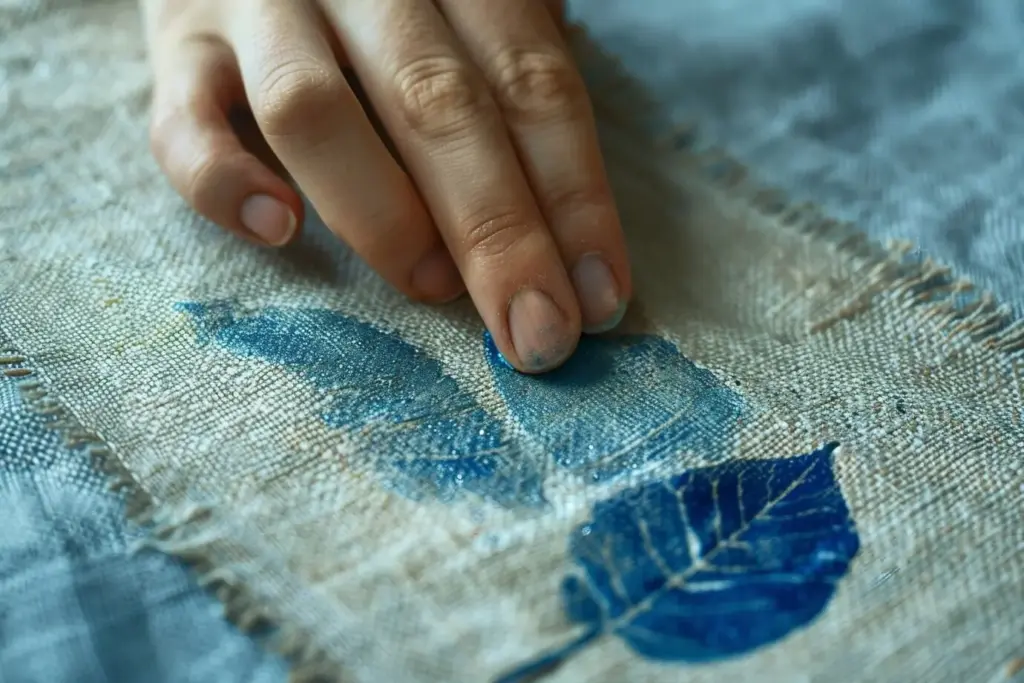
Mending Masterclass: Invisible Repairs and Creative Visible Mends
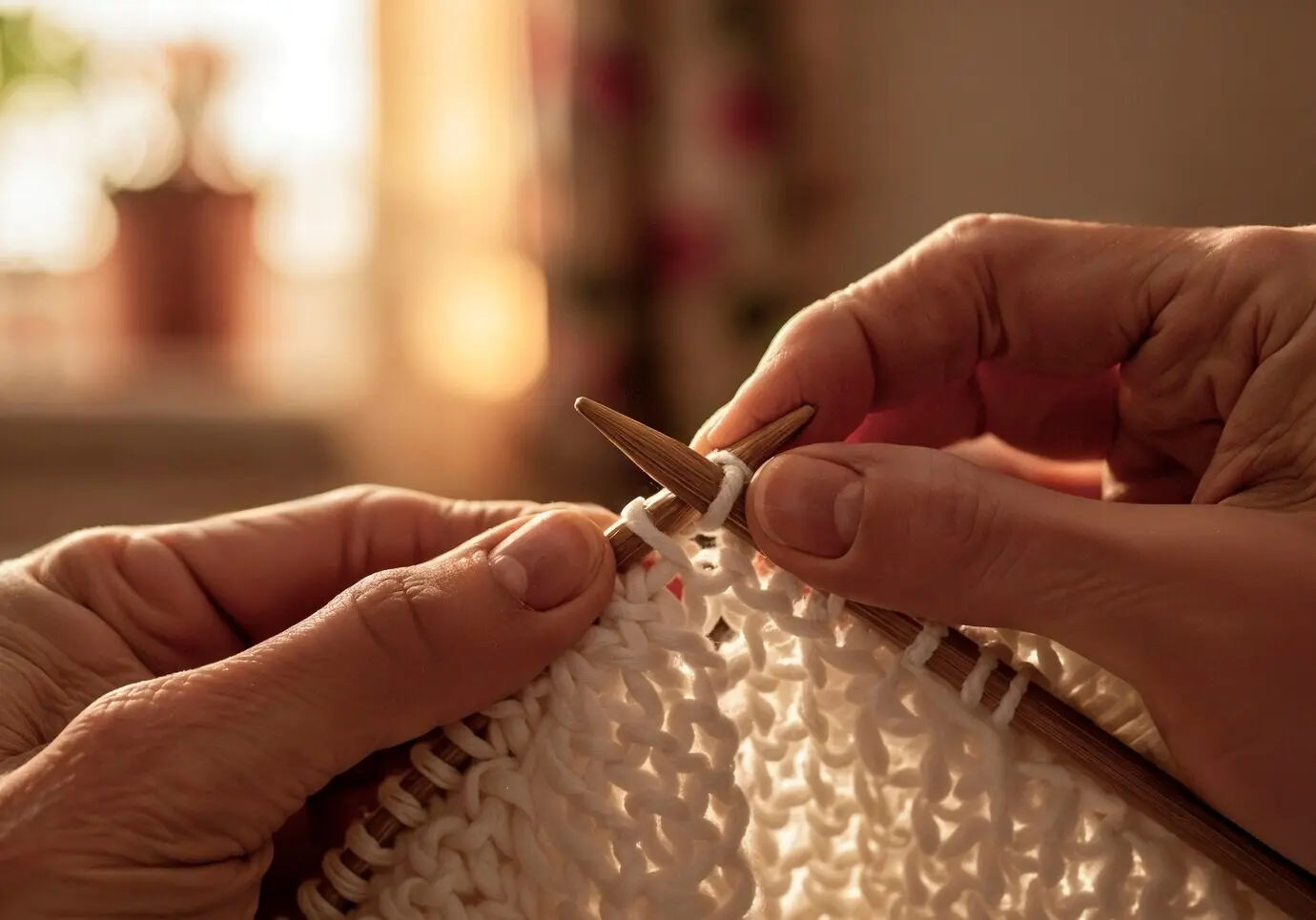
Welcome to an inspiring journey into Mending Masterclass: Invisible Repairs and Creative Visible Mends, where finesse meets imagination. Today we’ll explore the precision behind seamless restorations and the joyful artistry of intentional, expressive patches. Expect practical guidance, grounded techniques, heartfelt stories, and clear steps to help your garments live longer, carry meaning, and invite conversation. Share your questions, show your before-and-after moments, and connect with others who celebrate craft, sustainability, and the quiet satisfaction of turning wear and tear into lasting beauty.

Fabric Intelligence: Reading Weaves, Fibers, and Wear Patterns
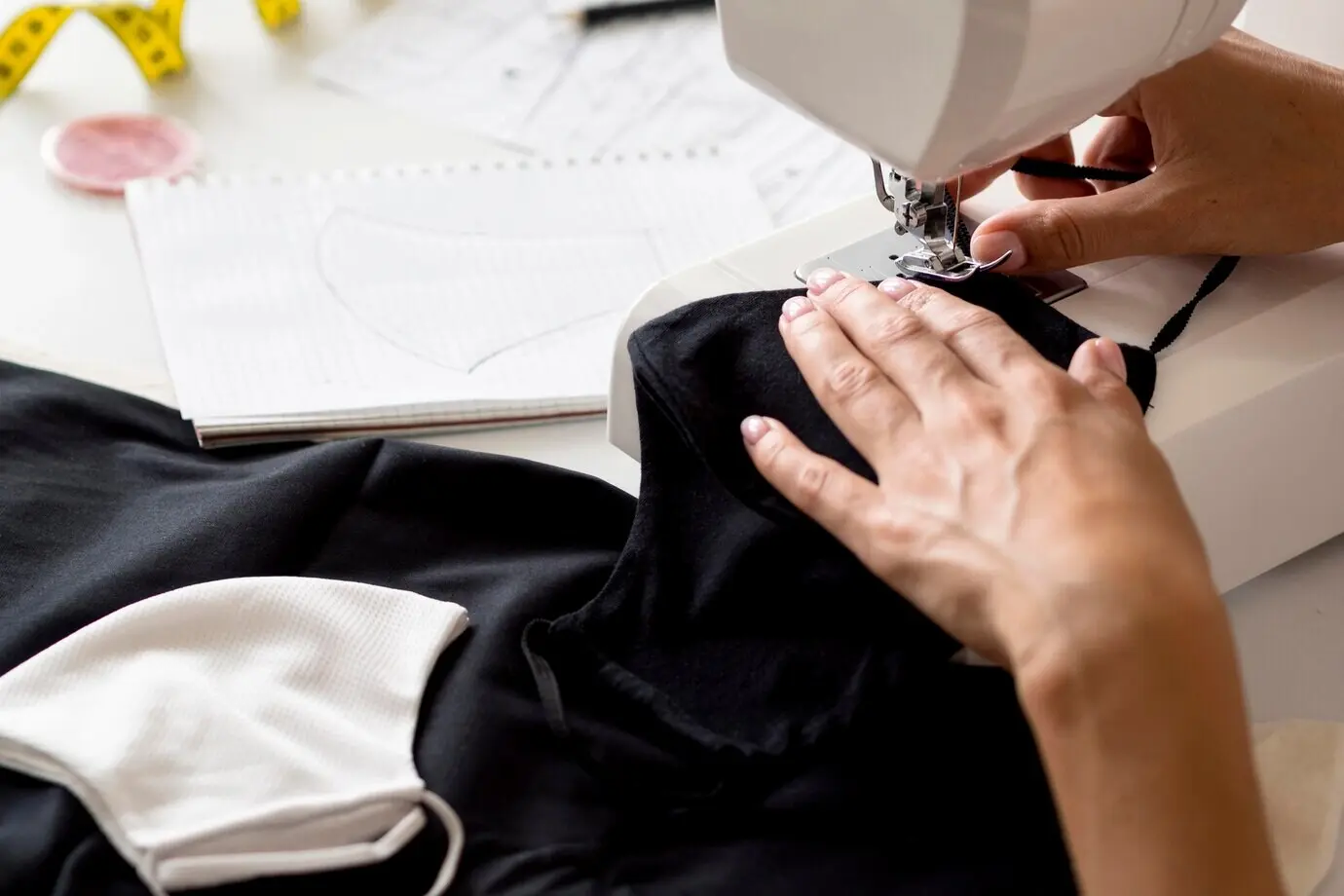
Masterful mending begins with understanding the cloth. Learn to read the weave, fiber content, and stress history to choose the right stitch, reinforcement, and finish. From tightly woven denim to lofty wool and stretchy knits, every fabric behaves differently under tension, moisture, and time. By mapping abrasion and pinpointing weak zones, you’ll plan interventions that disappear or delight, strengthen what matters, and honor the garment’s original character while guiding it confidently into many more seasons of dependable, expressive wear.

Toolkit Mastery: Needles, Threads, Patches, and Stabilizers
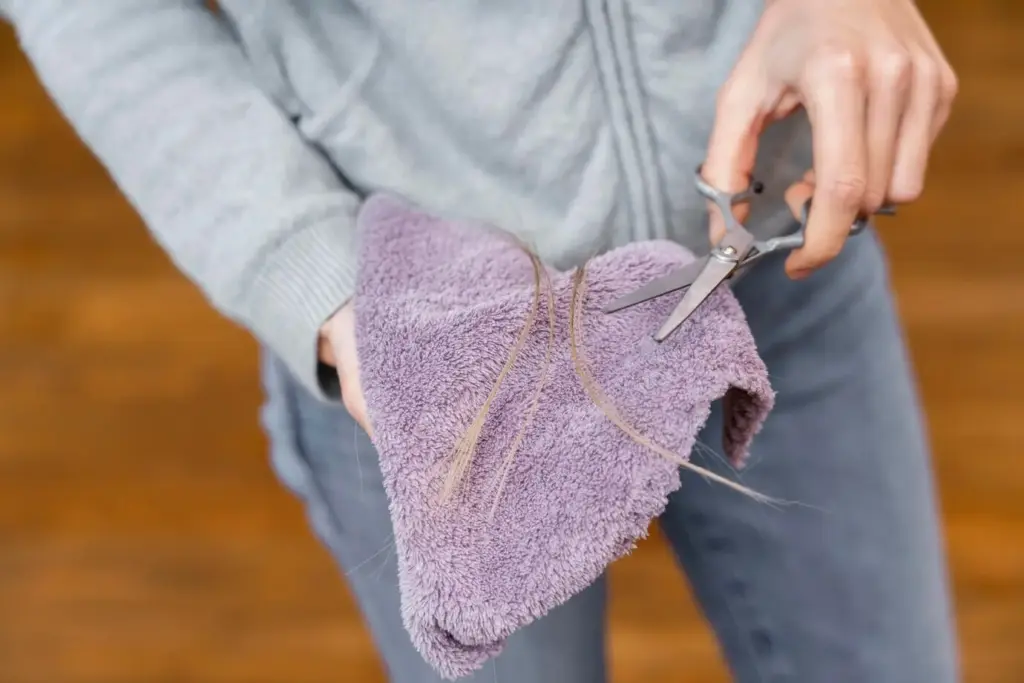
A thoughtfully curated toolkit unlocks confidence and consistency. Discover which needles glide through dense denim or delicate silk, which threads vanish like whispers or sing like confetti, and how stabilizers create a steady canvas for complex work. Prepare sharp snips, a reliable thimble, and good light. Keep a small library of fabric offcuts, interfacing weights, and adhesive options. With the right tools within reach, your hands move calmly, your stitches land decisively, and your results look intentional, resilient, and beautifully finished.

Invisible Repairs: Seamless Restorations That Withstand Time

Invisible work blends into the original fabric so completely that the eye registers harmony rather than intervention. Learn accurate color matching, stitch density control, and edge transitions that vanish. Practice patient, even tension and smooth thread paths to prevent shadows. When done well, knees, elbows, and seat panels regain integrity without drawing attention. This quiet craft preserves uniforms, tailoring, and cherished everyday pieces, letting memories stay intact. The goal is structural honesty cloaked in gentle respect for the garment’s first life.

Sashiko Lines That Reinforce and Tell Stories
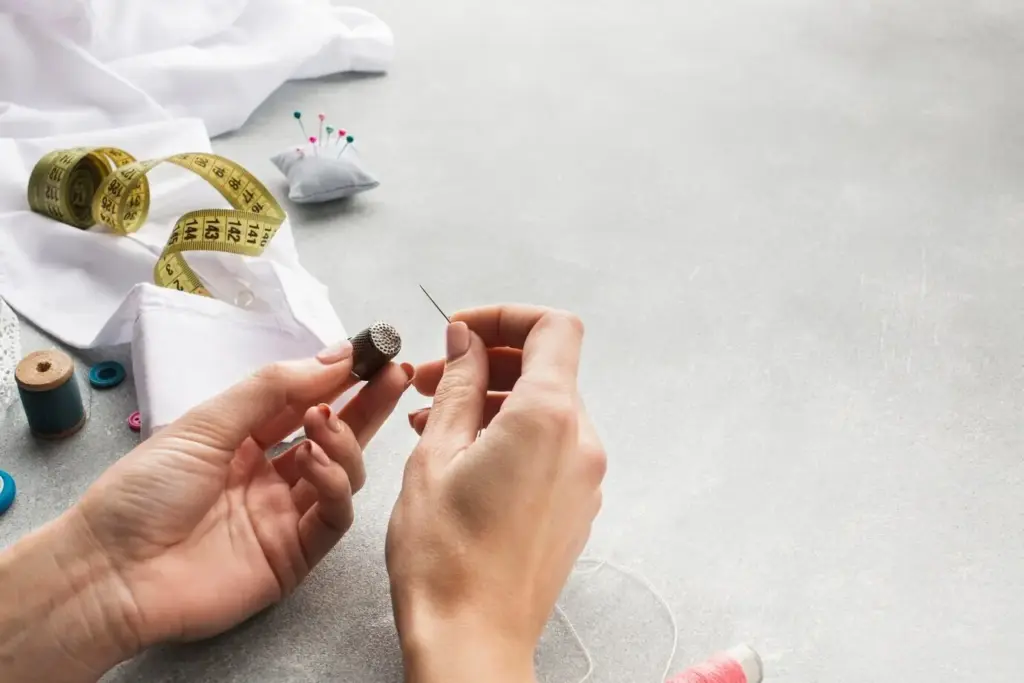
Traditional sashiko began as pragmatic reinforcement, yet its geometric paths carry rhythm and meaning. Use running stitches to stabilize thin denim, quilting multiple layers where friction bites hardest. Plan stitch spacing with a ruler, then let your hands establish a comfortable cadence. Combine patterns like asanoha or seigaiha to echo movement across knees or elbows. Contrasting thread creates luminous pathways that guide the eye while literally holding fabric together. What once frayed becomes resilient, poetic, and unmistakably personal in daily life.

Appliqué Patches with Narrative Edges
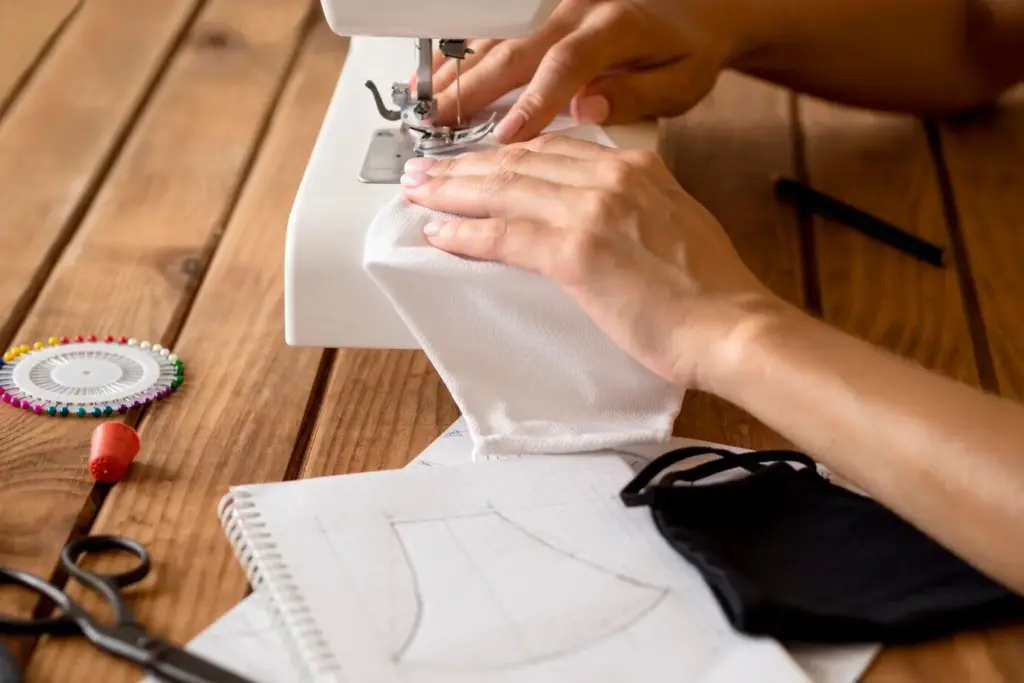
Cut patches from treasured remnants—a child’s outgrown shirt, a trip souvenir cloth, or a friend’s quilting offcuts. Shape edges to flow with the garment’s lines, then secure with blanket, whip, or slip stitches. Let colors converse, balancing quiet tones with playful accents. Reinforce from beneath if stress will be heavy. Label the date inside the garment to honor its evolution. Over time, layered stories build a cartography of care, turning simple clothing into a portable archive of connection and creativity.

Embroidered Darns as Texture and Shield

Blend utility with ornament by overlaying darned areas with simple embroidery—seed stitches, couching, or cross-stitch grids that protect fibers while adding tactile beauty. Keep thread weight proportional to the fabric so texture stays friendly to movement. Map stitches to follow stress lines around pockets and cuffs. Repeat small motifs to distribute force evenly, preventing new tears from forming at hard edges. The result is pleasantly textured, robust under daily use, and visually alive, inviting touch and curious questions wherever you go.

Palette Strategies from Closet to Thread Card
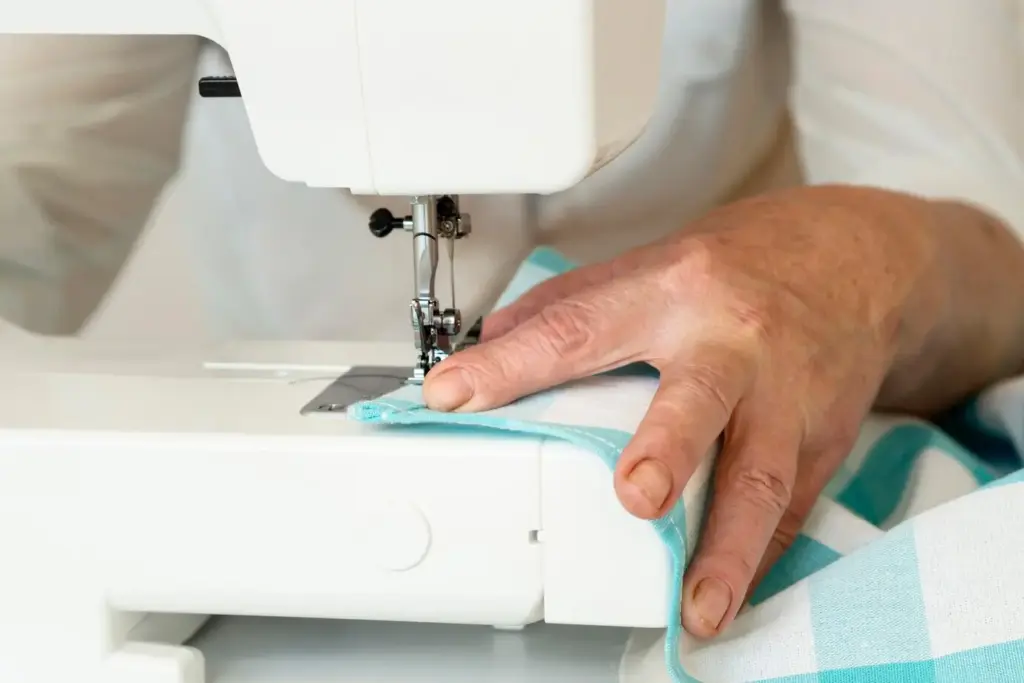
Audit your closet to reveal dominant hues and undertones, then build a compact thread palette that complements what you already wear. Include neutrals that vanish and accent colors that sing. Swatch on scraps to check behavior in daylight and indoor lighting. Keep thread cards labeled, noting fiber, weight, and washfastness. A disciplined palette speeds decisions during repairs and helps garments coordinate effortlessly. Over time, your signature colors emerge, connecting invisible fixes and exuberant mends into a cohesive, wearable visual language.

Balancing Bold Geometry with Soft Wear
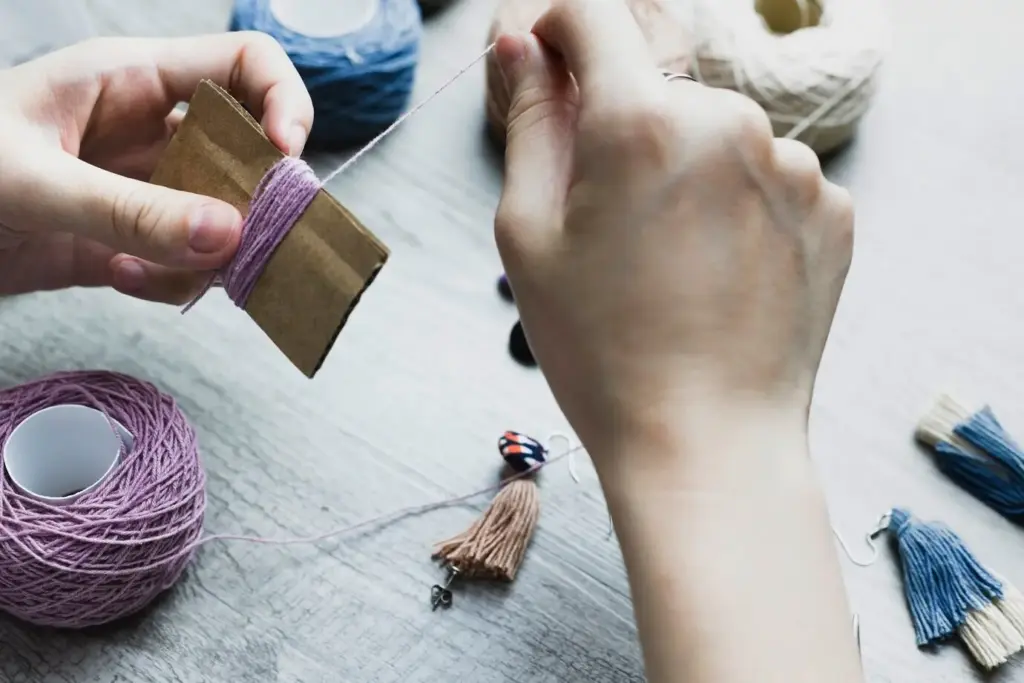
Large shapes communicate confidence but must flex with the body. Place strong geometry where fabric is stable, then soften edges with echo stitches that diffuse stress. Test bend points—knees, hips, elbows—to ensure patches never bite or chafe. Use curved motifs to guide motion and smaller textures to bridge between contrasting materials. The goal is durability that feels natural, never armored. When technical structure and visual rhythm cooperate, garments move fluidly, aging gracefully while displaying considered, compelling character from every angle.

Symbols, Motifs, and Personal Landmarks

Choose motifs that resonate—mountain lines from a beloved trail, initials stitched for a friend, or stars marking milestones. Scale them to the repair zone and echo their shapes across multiple mends for cohesion. Intention deepens attachment, encouraging continued care and responsible wear. Record meanings in a small tag or notebook, anchoring memory to material. These marks turn a jacket or sweater into a companion with stories, creating bonds that outlast trends and promote thoughtful, long-term stewardship of what you already own.

Sustainability and Story: Wear Longer, Waste Less

Mending extends a garment’s life, saving resources and honoring labor. Studies show lengthening wear by even a few months can significantly reduce carbon, water, and waste footprints. Each repair replaces the need for new production and cuts landfill volume. Share your progress with friends, host a mini repair circle, or visit a local repair café to exchange skills. As your wardrobe gathers thoughtful interventions, it becomes a living archive of care, reminding us that style, comfort, and responsibility thrive together beautifully.

Calculating Impact: Cost, Carbon, and Care

Track savings by comparing the price of tools and time with the cost of replacement garments. Factor environmental impact by considering production emissions and transport. Mending also reduces microplastic shedding by preserving well-made items longer. Record care routines—gentle washing, line drying, careful storage—that extend results. These small, consistent habits compound benefits, yielding measurable household savings and a lighter footprint. Share your numbers with our community to inspire others and refine methods together through transparent, supportive dialogue.

From Quick Fix to Heirloom: Emotional Value

A swift knee patch can become the start of a beloved tradition. Over seasons, visible layers chart adventures, while invisible reinforcements protect soft memories—like a grandfather’s cardigan stitched quietly at the elbow. Emotional value multiplies with each mindful intervention, deepening our bond with everyday essentials. When clothing holds memory, we treat it with patience, mend sooner, and waste less. Invite family stories into your stitching, and you’ll discover how humble repairs nurture belonging and gratitude in daily routines.
Finishing, Care, and Longevity: Make Repairs Last

Great repairs deserve thoughtful finishes. Press carefully to set stitches, trim tails cleanly, and secure knots where they will neither rub nor draw attention. Establish gentle washing routines, mindful drying, and periodic checkups to catch new wear early. Document what worked and what didn’t so your next project starts smarter. Over time, you’ll build a personal playbook of techniques and preferences. This quiet discipline ensures your invisible work stays discreet, your visible work keeps shining, and your clothing remains reliably comfortable.
Pepefuvulamimezi
Privacy Overview

This website uses cookies so that we can provide you with the best user experience possible. Cookie information is stored in your browser and performs functions such as recognising you when you return to our website and helping our team to understand which sections of the website you find most interesting and useful.