Make Clothes Last: Smarter Laundry Protocols
We’re diving into laundry protocols for longer-lasting clothes, turning everyday washes into thoughtful rituals that preserve color, shape, and softness. Expect practical steps grounded in fiber science, small behavioral tweaks, and realistic routines anyone can maintain. From sorting strategies and measured dosages to temperature control and gentle drying, you’ll learn how each choice extends the life of cherished garments. Share questions, compare routines, and shape future guides with your experiences, because durable wardrobes begin with consistent, evidence-backed care.
Fiber Science You Can Use
Understanding what happens inside the drum transforms guesswork into confident care. Cotton swells in water and weakens when wet, wool scales interlock under heat and agitation, and synthetics shed microfibers with harsh friction. By balancing mechanical action, chemistry, and time, you minimize pilling, fading, and distortion. We will translate lab principles into kitchen-friendly steps, helping you choose cycles, spin speeds, and additives with precision. Share your fiber questions or tricky blends you’re navigating, and we’ll troubleshoot together.
Colorfastness Checks that Actually Work
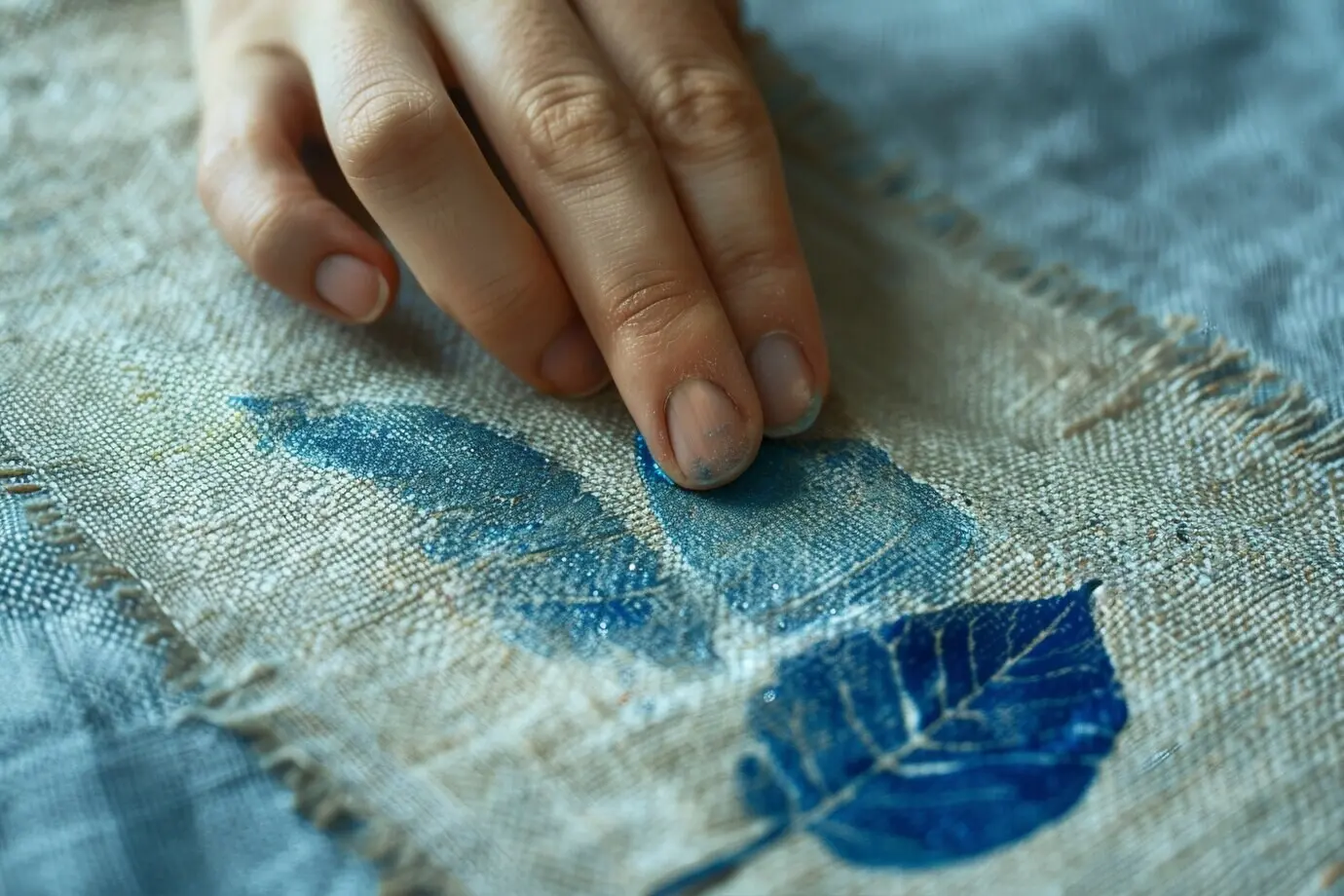
Do a quick damp-cotton-swab rub on hidden seams to test dye transfer. If the swab tints, wash cold and separate until stable. Salt or vinegar myths persist, but modern reactive dyes need gentle cycles, not pantry hacks, to avoid bleeding and dull overtones.
Soil-Level Logic
Lightly worn office shirts do not belong with gritty gym gear or backyard chores. Separate by visible soil and odor intensity to optimize detergent dosage and cycle choice. This reduces redeposition, limits over-washing, and helps collars and cuffs keep their structure season after season.
Detergents, Additives, and Ratios
Right-sizing chemistry protects fibers while still lifting soil. Modern high-efficiency formulas work best with measured dosing and adequate water flow. Too much detergent traps residue and dulls color; too little leaves odors and grit. We’ll decode enzymes, boosters, and softeners, and share evidence-backed combinations for typical household loads.
Enzymes that Earn Their Keep
Protease, amylase, and lipase target protein, starch, and oil, reducing the need for harsh temperatures. Enzyme-based products need time to work, so choose longer, gentler cycles when possible. Rinse thoroughly afterward to remove broken-down soils and avoid crispy residues that tire fibers prematurely.
The Truth about Fabric Softeners
Cationic softeners coat fibers, masking roughness and static but sometimes reducing absorbency and breathability. Reserve them for scratchy towels or heavy denims, not technical tees or athletic socks. Alternatives like vinegar rinses change pH briefly, yet reliable softness still comes from less heat and lower friction.
Dosage and Water Hardness
Match detergent quantity to load size, soil level, and regional hardness. Hard water binds surfactants, demanding slightly higher doses or builders, while soft water needs less to avoid suds overload. If in doubt, measure, observe residue, and adjust gradually until fabrics feel truly clean.
Water, Temperature, and Machine Settings
Temperature and agitation act like powerful levers. Cooler settings reduce dye loss and shrinkage, while warmer water activates detergents on body oils. Choose cycles that align with fiber resilience and soil load, not habit. We’ll compare front-loaders and top-loaders, spin speeds, and rinse options to balance cleanliness and longevity.

Drying Done Right
Use low heat and shorter intervals, removing garments slightly damp to finish on hangers. Tennis balls or dryer balls lift bulky items, improving airflow and reducing wrinkling. Clean lint filters religiously; poor airflow increases temperature swings, encouraging shrinkage, shine, and permanent press impressions that age fabric prematurely.
Sunlight naturally sanitizes, but ultraviolet exposure fades dyes and weakens fibers, so favor shade or indirect light. Support shoulder seams with wide hangers, and lay knits flat on breathable racks. Rotate pieces gently to maintain even drying and avoid water marks, stretching, and stiff edges.
Static builds when dry air strips moisture; reduce with shorter cycles, wool dryer balls, or a light spray before finishing. To release wrinkles without ironing, hang garments in a steamy bathroom or use a handheld steamer. Avoid over-drying, which bakes creases deep into stubborn fibers.
Repair, Storage, and Lifecycle Habits
Extending lifespan continues after the wash. Small fixes, breathable storage, and mindful rotation prevent damage that laundering can’t undo. Mend popped seams quickly, rest knits between wears, and give leather and suede proper conditioning. Share your victories and questions so we can celebrate repairs and solve tricky wardrobe puzzles together.
Simple Mending that Pays Off
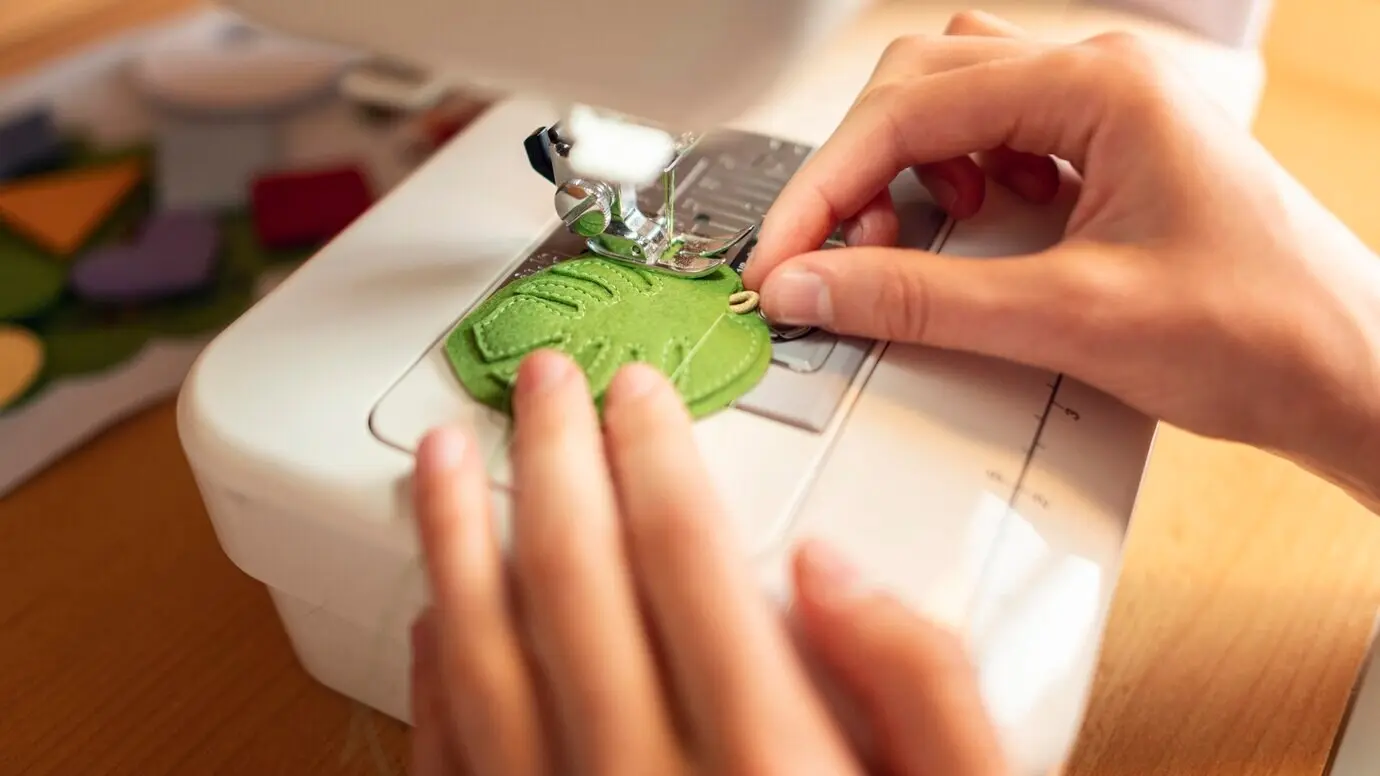
Reinforce buttons with crossed stitches, close small holes before they ladder, and secure loose hems using flexible thread that moves with the fabric. Keep a tiny kit near the laundry area to catch issues immediately. Quick fixes prevent larger tears and extend wear by months, sometimes years.
Smart Storage for Calm Closets
Use wooden or padded hangers for tailored pieces, and fold heavy knits to avoid shoulder bumps. Allow airflow with breathable garment bags, cedar blocks, and silica packets where appropriate. Keep light, heat, and humidity stable so dyes, elastics, and adhesives age gracefully without sudden failures.
Rotation, Rest, and Responsible Letting Go
Alternate shoes and outerwear to let materials recover their shape, and rest sweaters between wears to release stretched stitches. Keep a repair or donation bin visible, encouraging timely action. When pieces are truly finished, repurpose as rags or recycle textiles through local programs that handle fiber content responsibly.
All Rights Reserved.