Spot the Stitch: Choosing Clothing That Truly Lasts
Welcome to a practical, friendly Quality Assessment Guide: How to Spot Well-Made, Long-Lived Clothing, designed to help you shop smarter and love your wardrobe longer. Together we will examine fabrics, stitching, hardware, fit, and care habits, translating quiet technical clues into simple checks. Along the way, you will hear quick anecdotes from tailors and thrifters, learn store-floor tests, and gather habits that cut waste, save money, and elevate comfort.
Natural and Synthetic Fibers in Smart Blends
Cotton breathes and softens, wool regulates temperature, linen resists heat, while nylon or polyester can add abrasion resistance and recovery. Seek purposeful blends, not filler. Feel for cool crispness in linen, spring in wool, and controlled stretch from elastane that rebounds promptly. Ask sales staff about fiber percentages, and compare two similar garments by gently stretching and releasing panels near seams, noticing which fabric returns cleanly without rippling or thinning.
Weave and Knit Density: Twill, Oxford, Interlock, and Beyond
Dense constructions resist abrasion and transparency, reducing snagging and seam strain. Hold fabric to light and compare coverage, then rub surfaces together to evaluate fuzz formation. Twill and oxford often outlive plain weaves for pants and shirts, while interlock knits maintain structure better than loose jerseys. Note that balance matters: overly stiff textiles can crack or chafe. Aim for firm, resilient hand that softens with wear rather than collapsing after first wash.
Weight, Drape, and Recovery Tests at the Store
Use your hands to perform simple checks without tools. Pinch a fold and release to see creasing, stretch gently on the bias to gauge stability, then hang the garment by a shoulder to watch drape. Quality materials settle smoothly and recover, instead of sagging like a wet towel. Compare garment weight to its category; underweight coats or trousers often compromise lining, interfacing, or yarn thickness, shortening life and comfort across real-world movement.
Fabric Fundamentals that Predict Durability
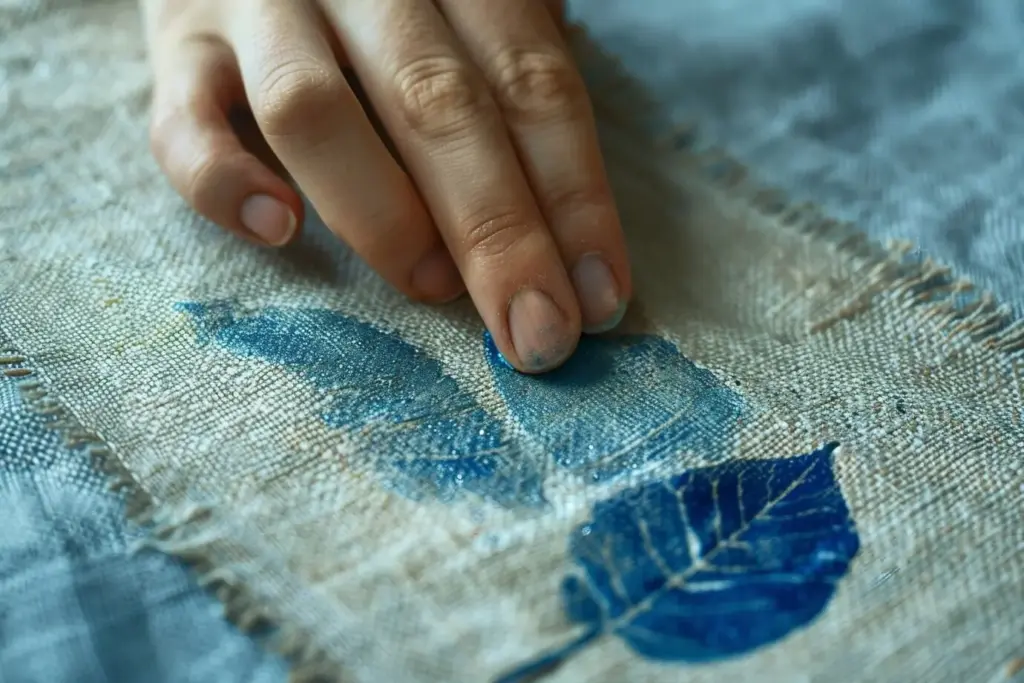
Durability begins with fiber choice and fabric engineering, long before a garment meets a needle. Understanding weave density, yarn twist, staple length, and finishing helps you distinguish novelty softness from lasting strength. We translate labels into feel, show quick rub tests to predict pilling, and share stories where a sturdy twill outlasted a delicate jersey through seasons of commuting, travel, and unexpected laundry mistakes without losing shape or color.
Construction Clues Hidden in Seams and Stitching
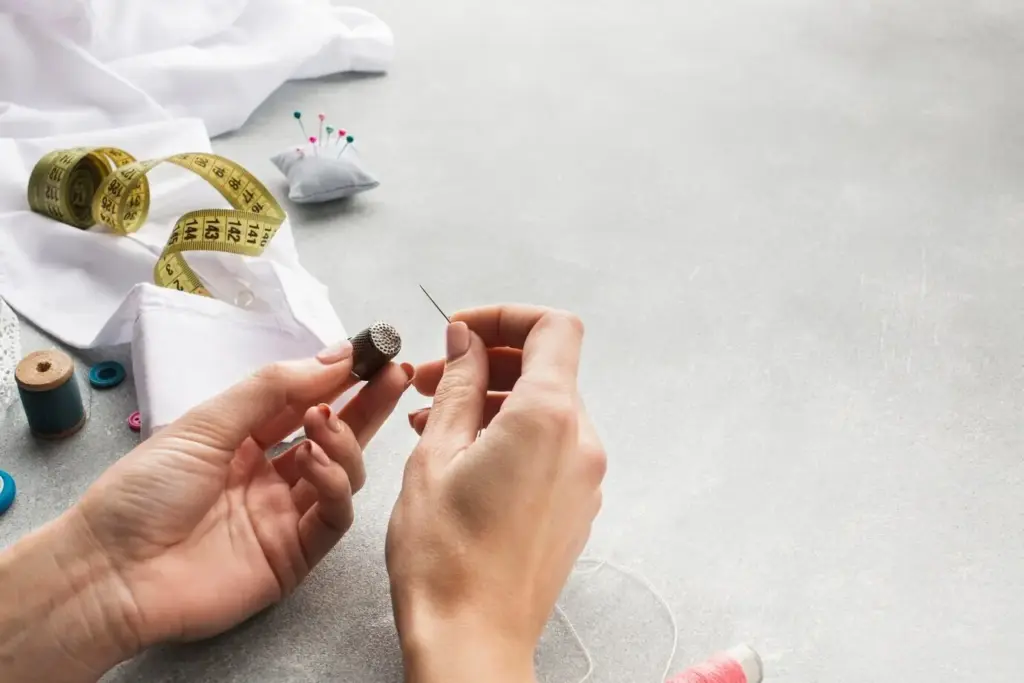
Even great fabric fails when construction is rushed. Examine seam allowance width, consistent stitch length, clean backtacking, and balanced tension. Quality makers finish raw edges thoughtfully with serging, binding, or French seams to prevent fray and irritation. We share a small story of a commuter coat whose reinforced hem saved it from tearing on a crowded bus, showcasing how invisible details quietly determine whether stress points survive daily strain and careless handling.
Hardware, Trims, and Finishing that Signal Care
Fasteners and surface treatments fail early when skimped. Choose zippers that glide smoothly, buttons with secure cross-stitch or shanks, snaps that align, and grommets that are neatly set. Lining quality, interfacing placement, and pressing marks reveal workshop standards. We outline quick checks to avoid metal flaking, zipper separation, and button explosions in the wash, and we encourage asking brands about spare buttons, repair services, and parts sourcing transparency that supports longevity and responsible ownership.
Fit, Pattern Integrity, and Ease for Real-Life Movement
Longevity depends on how a garment moves with you. Balanced ease prevents constant stress at seams, while accurate pattern grading maintains proportions across sizes. We show how shoulder seam placement, rise depth, and knee articulation influence comfort and wear patterns. A short story about a cyclist’s chinos demonstrates how gussets and shaped knees avoid blowouts. Good fit discourages fidgeting, reduces repairs, and turns high-quality materials into everyday companions rather than fussy, fragile showpieces.
Ease, Range of Motion, and Hidden Helpers
Lift your arms, squat, and walk briskly to test mobility without strain. Side panels, pleats, back vents, and gussets add movement without ballooning. Waistbands with internal elastic or curtaining hold shape and distribute pressure. Knits need recovery; wovens benefit from thoughtful darting. When a pattern anticipates real life, friction concentrates less in single areas, dramatically extending fabric lifespan. Share your favorite motion test in the comments so others can discover practical checks that matter.
Pattern Matching, Grain, and Balance
Stripes and plaids should align at side seams, pockets, and center fronts, signaling care during cutting. Off-grain pieces twist after laundering, telegraphing torque down legs or sleeves. Hang the garment and see whether hems sit level and side seams hang straight. Symmetry at lapels and collars keeps edges from rolling. Garments cut with attention to grain and matching do not only look refined; they resist distortion, reducing stress risers that precipitate premature fabric failure.
Decoding Labels into Habits You Will Actually Keep
Symbols can feel cryptic, yet each protects a fiber’s specific weakness, whether heat, abrasion, or chemistry. Turn instructions into routines: mesh bags for knits, cool irons on cellulose, steam for wool, air drying to preserve elastane. Spot clean early, blot instead of rub, and rotate wears to let fibers recover. Adopt these small changes, and you extend lifespan dramatically while saving energy, money, and frustration across seasons of weather, travel, and celebration.
Cost per Wear, Repairs, and Warranties
A higher upfront price can become a bargain when divided by hundreds of wears. Track uses for a month and project forward to compare options honestly. Learn simple repairs like reattaching a button or securing a loose seam; locate trusted tailors for complex fixes. Explore brand warranties and alteration programs. Sharing repair stories inspires others to keep garments in rotation, transforming a closet from disposable churn into a curated, resilient collection with personal history.

Hands-On Checklist Before You Head to the Register
Verify fiber content, density against light, seam allowances, SPI, reinforcements, zipper stability, button attachment, lining quality, drape recovery, and fit during movement tests. Estimate alterations and check for spare parts. Photograph interior details for reference. If two options tie, choose the one that feels calmer on the body and quieter in finish, because refined discipline today usually predicts fewer surprises after washing, commuting, travel, and the inevitable rush of everyday life.
Reading Product Pages Like a Detective
Scan for fabric weight in GSM or ounces, weave or knit type, fiber percentages, and stretch composition. Zoom high-resolution images to inspect stitching, edge finishes, and pattern matching. Search reviews for months-long updates mentioning pilling, seam splitting, or zipper issues. Check return windows and alteration policies. When specs are vague, ask support for details; companies willing to answer clearly often stand behind construction, making your purchase more likely to satisfy through many seasons.
All Rights Reserved.